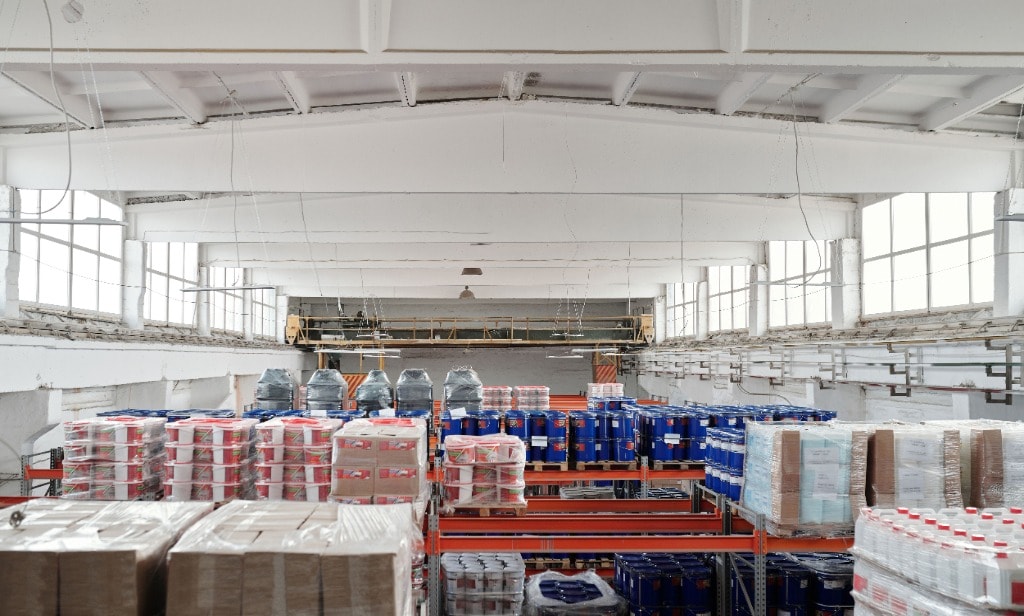
TheLiquid storageis a task that requires attention, especially when handling products intended for industrial, agricultural or chemical processes. Poor practice can affect quality, cause leaks or reduce the container’s service life.
Therefore, in addition to choosing a suitable tank, it is important to follow certain recommendations during its installation, use and maintenance. Below, you will learn some practices that help preserve liquids in better conditions and carry out safer storage.
Why is it important to store liquids correctly?
Inadequate storage can cause product losses, contamination of the contents or damage to the container where it is kept. In some cases, it can even generate interruptions in operations if the liquid is no longer in a condition to be used.
Carrying out properLiquid storagealso helps maintain better control of inputs and makes handling tasks easier within warehouses, production plants or agricultural areas.
Tips for safe liquid storage
Choose the right tank for the type of liquid
Not all liquids have the same characteristics, since some may be denser, contain chemical components or require specific conditions for their preservation. For that reason, it is important to use a container compatible with the product to be stored.
Before choosing a tank, verify that the manufacturing material is the right one for the liquid and consider the capacity you really need. In this way, you will be able to preserve the contents in better conditions and reduce the risk of problems during use.
Install the tank on a firm, level surface
An irregular or unstable base can cause tilting that affects weight distribution and exerts uneven pressure on the container. It is most advisable to place the tank on a firm surface, completely level and capable of supporting its weight when full. This helps maintain the stability of the container and reduces the risk of deformation over time.
Do not exceed the storage capacity
Filling the tank beyond its capacity can generate additional pressure on its walls and increase the possibility of leaks or damage to the structure. Before filling, check the maximum capacity indicated by the manufacturer and avoid exceeding that limit. In addition to protecting the container, this practice makes liquid handling easier and provides a greater margin of safety during its transport or use.
Keep the tank clean before and after use
Cleaning is an aspect that often goes unnoticed, but it directly influences the preservation of the stored liquid. Residues from previous contents can alter the properties of the new product or generate contamination.
Therefore, it is advisable to carry out periodic cleaning using the methods appropriate for the type of tank and the liquid it contains. It is also important to make sure the container is completely dry before using it again, especially when storing different products.
Periodically check the condition of the container
Even if the tank is in good condition, it is important to inspect it periodically to detect any sign of wear. A timely check can prevent problems that, over time, could affect liquid storage.
During the inspection, verify that there are no cracks, deformations, leaks or damage to the lids, valves and connections. If you notice any anomaly, it is most advisable to repair the container or replace it before using it again.
Protect the tank from external conditions
The place where the container is located also influences its preservation. Constant exposure to the sun, knocks or contact with objects that could damage it can reduce its service life and affect its operation.
Whenever possible, install the tank in a protected area with enough space to carry out inspection and maintenance tasks. In this way, the container will remain in better condition for longer.
Label the contents correctly
When different liquids are stored within the same facility, identifying each container makes daily work easier and helps avoid errors during handling.
The label should indicate, at a minimum, the name of the stored product and any information important for its handling. This is especially useful when several people are involved in storage or transport tasks.
Follow the manufacturer’s recommendations
Each tank has been designed for certain conditions of use. Therefore, it is important to respect the manufacturer’s instructions regarding maximum capacity, installation, cleaning and maintenance.
Following these recommendations helps keep the container in good condition and promotes safer liquid storage throughout its service life.
Why choose industrial plastic tanks for liquid storage?
Theindustrial plastic tanksare one of the most widely used options for storing liquids thanks to their strength, durability and ease of maintenance. They can also be manufactured in different capacities to adapt to the needs of each company.
Another of their advantages is that materials such ashigh-density polyethylene (HDPE)offer good resistance to moisture and various chemical products, which makes them a suitable alternative for different industrial and agricultural applications.
Good storage starts with the right container
Carrying out properLiquid storagedoes not depend solely on the type of product to be preserved. It also requires using appropriate containers, installing them correctly and keeping them in good condition to prolong their service life and reduce possible problems during use.
That is why, atGLOVESA, we have a wide range of industrial plastic products for the requirement your company is looking for, in a fully eco-friendly production.
Frequently Asked Questions
What liquids can be stored in an industrial plastic tank?
Industrial plastic tanks can be used to store water, liquid fertilizers, chemical products and other liquids compatible with the container’s manufacturing material. Before using them, it is important to verify that the tank is suitable for the product to be stored.
What is the capacity of an industrial plastic tank?
There are tanks of different capacities to adapt to different needs. The choice will depend on the volume of liquid that needs to be stored and the space available for its installation.
What material is used to manufacture industrial plastic tanks?
Many industrial tanks are made ofhigh-density polyethylene (HDPE), a material known for its strength, durability and good performance against moisture and various chemical products.