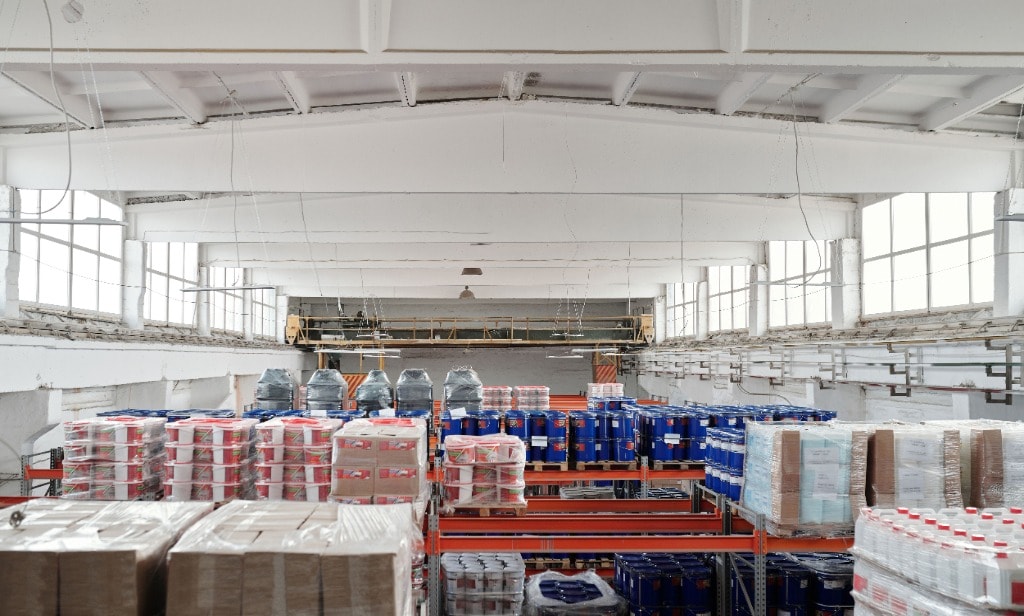
Theindustrial plastic is part of a wide variety of products used in storage, transport and production activities. This is due to its strength, durability and versatility, which have favored its presence in different sectors, from agriculture to logistics.
In this article you will learn whatindustrial plasticsare, what their main characteristics are and which types are most frequently used in industry.
What is industrial plastic?
Theindustrial plasticis a material made from synthetic or semi-synthetic polymers that are used in activities where strength, durability and constant use are needed.
Unlike everyday plastic products, these resources are prepared to withstand constant loads, moisture and contact with certain chemical substances.
Characteristics of industrial plastic
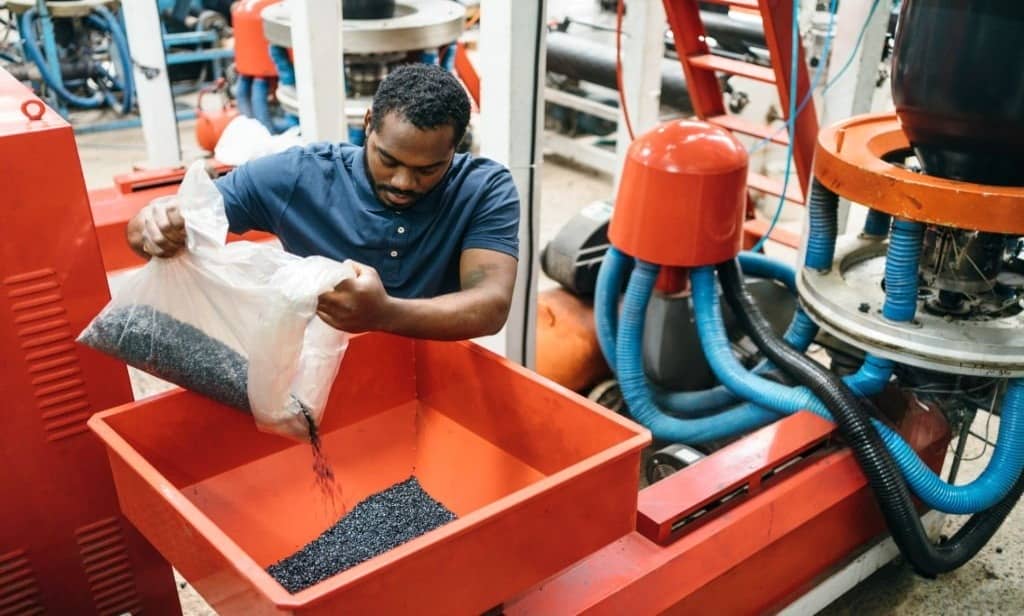
Thanks to its properties, industrial plastic offers various advantages that explain its use in numerous sectors. Some of the most important are:
1. Mechanical strength
Manyindustrial plasticscan withstand impacts, weight and wear without losing their properties. This characteristic is especially important in products intended for the storage and handling of goods.
2. Durability
Depending on the material, these products can retain their properties for a long time. That is why they are usually used in jobs where the items are exposed to daily use.
3. Resistance to moisture and chemical substances
Some polymers have good resistance to water, oils, detergents, fertilizers and other chemical compounds. For this reason, they are widely used in the industrial and agricultural sectors.
4. Lightness and ease of handling
Unlike other heavier materials, plastic makes transport and handling tasks easier within warehouses, logistics centers and production areas.
5. Hygiene and maintenance
Many plastic surfaces are easy to clean and require little maintenance. This is especially useful in activities where hygiene is important.
Most widely used types of industrial plastic
There are different types, each with properties that make them suitable for specific uses.
HDPE (High-Density Polyethylene)
It is one of the most widely used industrial plastics due to its resistance to impacts, moisture and various chemical substances. Because of its characteristics, it is common in the manufacture ofcages, boxes, drums, tanksand other containers intended for storage and transport.
Polypropylene (PP)
Thepolypropylenestands out for its rigidity and chemical resistance. It also withstands higher temperatures than other similar materials, which is why it is used in various tasks in the sector.
Polyvinyl Chloride (PP)
Thepolyvinyl chloride, known as PVC, is a resistant and durable resource used in pipes, ducts and systems for the distribution of liquids. It also offers good resistance to moisture and corrosion.
Polyethylene Terephthalate (PET)
PET, or polyethylene terephthalate, is a lightweight and resistant component that helps protect products from moisture and other external factors. For this reason, it is frequently used in packaging, wrapping and containers.
Acrylonitrile Butadiene Styrene (ABS)
ABS is a resistant material that withstands knocks and constant use well. Thanks to these characteristics, it is usually applied in industrial components, casings and parts that need to stay in good condition even with frequent use.
Where is industrial plastic used?
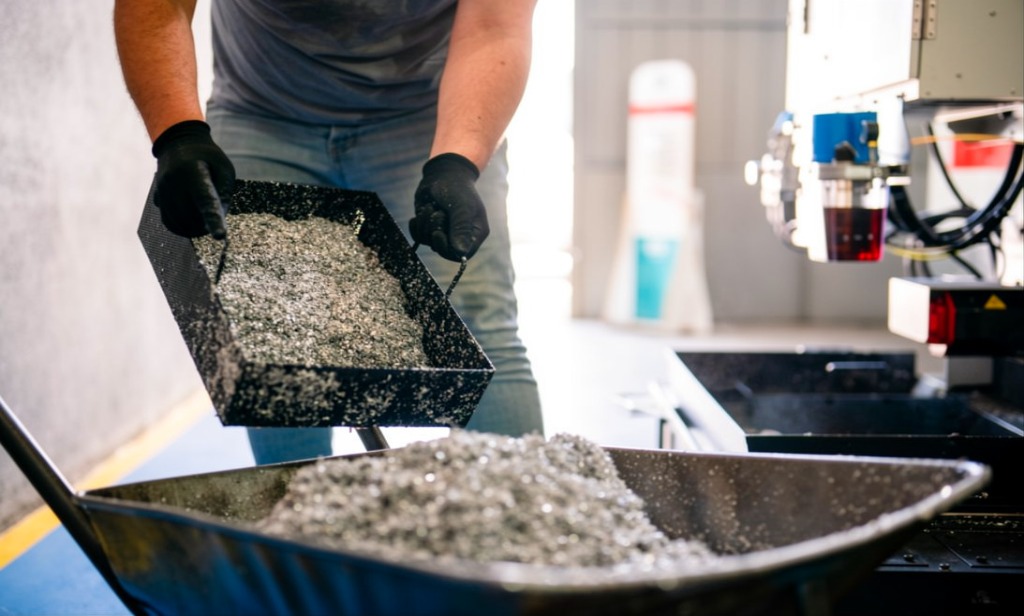
Thanks to its properties, theindustrial plasticis present in different tasks. Some of the sectors where its use is most frequent are:
- Logistics and storage:Within this sector, it is used in pallets, containers, bins andindustrial plastic boxesintended to organize, protect and move goods.
- Food industry:It is part of packaging, containers and items that require easy-to-clean materials suitable for maintaining hygiene conditions.
- Chemical industry:It is used in tanks and containers capable of withstanding contact with certain chemical substances without deteriorating easily.
- Agriculture:It is present in tanks, irrigation systems, containers and other implements used during agricultural activities.
- Manufacturing:It is applied in parts, components and structures involved in various production processes.
The importance of choosing the right plastic
Not all products offer the same properties or respond in the same way to working conditions. Therefore, it is important to know the characteristics of the different existing types, in order to make decisions when selecting the material.
That is why, atGLOVESA, we have a wide range of industrial plastic productsfor the requirement your company is looking for, manufactured under environmentally friendly processes.
Frequently Asked Questions
What advantages does industrial plastic have?
Theindustrial plastichas good strength, durability and ease of maintenance. It can also adapt to different uses depending on the type of plastic and the working conditions.
How do you choose the right industrial plastic?
The choice depends on the use it will be given, the weight it must support, exposure to moisture or chemical substances and the conditions of the environment where it will be used.
Where to find products made of industrial plastic?
Products made ofindustrial plasticcan be found in different sectors, from logistics to the food industry. AtGLOVESA you’ll find cages, boxes, drums, tanks and containersmade with materials designed for industrial applications.