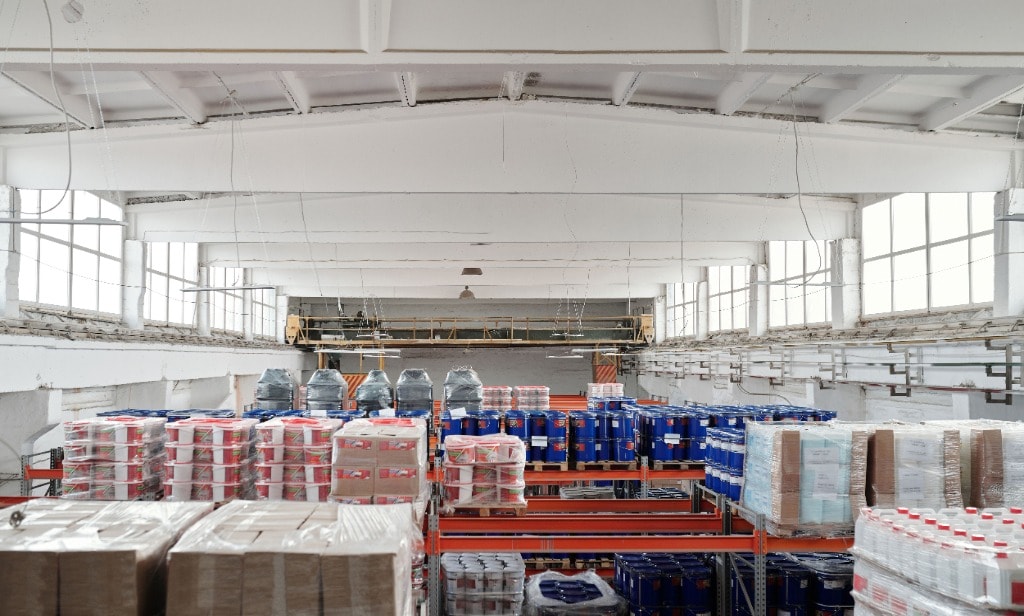
Drums are one of the most widely used containers in a broad variety of industries. Their sturdy, practical design makes them the ideal option for storing and transporting liquids safely and efficiently. From manufacturing plants to agricultural operations, plastic drums allow for safe handling, efficient logistics and compliance with the specific regulations of each sector.
In this article we explore the main uses and benefits of drums, the types that exist according to their material and design, and the characteristics that make them indispensable in the day-to-day of companies in different fields.
What are the drums and what they are used for?
A drum is a cylindrical container used to store liquids, semi-liquids or chemical products. Thanks to its robust construction, these containers can hold large volumes of substances without compromising the safety of their contents, both in storage and in transport.
Among the main uses of drums are:
- Water storage:they are widely used in rural areas or in places where access to drinking water may be limited, as well as in irrigation and rainwater collection systems.
- Transport of chemical products:in the chemical industry, drums make it possible to transport hazardous and non-hazardous liquids safely. Many models have UN certification, which guarantees that they comply with strict regulations for the transport of goods considered to be a risk.
- Industrial uses:they are essential in factories for storing oils, lubricants, adhesives, resins, paints and other industrial liquids.
- Agricultural applications:they are used for storing fertilizers, pesticides and irrigation water, withstanding outdoor conditions such as sun exposure and temperature changes.
- Waste management:they play a key role in collecting liquid waste, including used oils and other materials that require controlled handling to comply with environmental regulations.
- Pharmaceutical sector:they are used for transporting raw materials, cleaning solutions and compounds used in controlled production processes.
«Drums are essential in the industry because of their ability to transport and store liquids efficiently and safely.» – Carlos Mendoza, Industrial Logistics Specialist
Types of drums according to the material
Depending on the intended use, drums are made of different materials that give them particular characteristics. The two most common types are:
1. Plastic drums
Plastic drums, generally made of high-density polyethylene (HDPE), are lightweight, resistant and do not rust. They are ideal for storing chemical products, water, oils and other non-corrosive liquids, and they are also the most economical and versatile option on the market.
Benefits of plastic jerry cans:
- High resistance to chemical products, acids and solvents.
- Light weight, which makes handling and transport easier.
- Non-corrosive and with a long service life.
- Reusable and recyclable, which reduces environmental impact.
2. Metal drums
Used mainly in the petrochemical industry, metal drums are extremely robust and capable of containing flammable liquids or more aggressive substances. They usually have a protective internal coating to prevent corrosion.
Benefits of metal drums:
- Greater structural resistance to impacts.
- Suitable for flammable and high-risk liquids.
- Long life even in extreme conditions.
Wide-mouth vs. closed-mouth drums
Another important classification within the industry is the one that distinguishes between closed-mouth drums and wide-mouth drums.
Theclosed-mouth drumsare the most requested for storing liquids, thanks to their airtight, spill-proof design. On the other hand, thewide-mouth drumsare commonly used in the environmental remediation of waste and in the storage of hazardous solid materials. This type of drum is available in conical and straight-walled versions, and it can also have UN certification for hazardous solid materials.
Conical drums, in particular, offer an important logistics advantage: by being able to nest one inside another, they make it possible to make better use of transport space, optimizing load capacity.
Uses by industry
The versatility of plastic drums allows them to adapt to the specific needs of multiple sectors:
- Industrial manufacturing:storage of raw materials, intermediate products and finished goods, with a stackable, forklift-compatible design that improves warehouse efficiency.
- Chemical and petrochemical industry:safe handling of chemicals, solvents and hazardous materials.
- Pharmaceutical and biotechnology:transport of medicines, medical supplies and health-related products.
- Food and beverages:storage of ingredients, finished products and packaging materials, provided the drum meets food-grade standards.
- Agricultural sector:transport of animal feed, fertilizers, herbicides and pesticides.
- Construction:storage and transport of sealants, adhesives, waterproofing agents and coatings used on site.
- Government and military agencies:used for various logistics needs, including emergency response and supply.
Advantages of the use of drums
The use of drums brings multiple benefits for both companies and domestic consumers:
- Transport efficiency:thanks to their stackable design and robustness, drums make it easier to move large quantities of liquids, optimizing the load capacity of trucks and warehouses.
- Protection of the contents:their airtight design prevents spills and protects the contents from light, air and other external factors that could deteriorate the stored liquid.
- Variety of sizes:drums come in a wide range of sizes, from small presentations for domestic use to industrial drums of more than 200 liters.
- Reuse and sustainability:drums with a screw lid are especially robust and easy to clean, which makes it possible to reuse them in multiple applications and reduces packaging waste.
- Cost-effectiveness:compared to metal drums, plastic drums usually represent a more economical investment without sacrificing safety or durability.
In terms of colors, the most common plastic drums are blue, black, natural/translucent and white. The blue, natural and white tones usually meet food-grade standards, while custom colors such as red, green or yellow are available for higher-volume orders.
Conclusion
Drums are an essential tool in various industries, from chemicals to food, as well as agriculture, construction and the pharmaceutical sector. Their ability to store and transport liquids safely, together with their durability and low cost compared to other alternatives, makes them a versatile and reliable option for any operation.
If you are looking for effective solutions for handling liquids in your company, consider the different drum options available and choose the one that best suits your needs.¡Contact us!a versatile and reliable option. If you are looking for effective solutions for handling liquids, consider the different drum options available and choose the one that best suits your needs.¡Contact us!